Рубрика: Lifestyle & Motivation

  • K-Pop Demon Hunters: A New Era of Digital Idols

    K-Pop Demon Hunters: A New Era of Digital Idols

    There’s a pulse running through Seoul: a mix of music, neon, and myth.
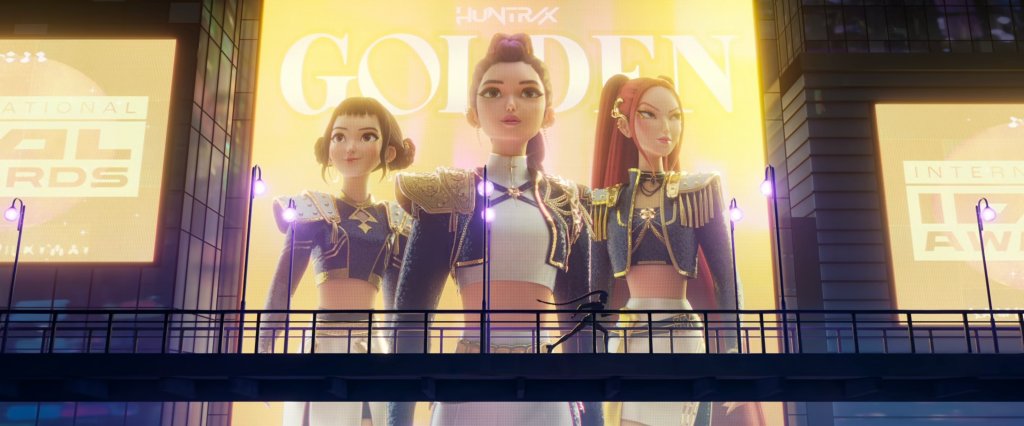
    In that rhythm lives K-pop Demon Hunters, an animated film about idols a.k.a. demon slayers.

    It’s stylish, cinematic, and bursting with color, but behind the glitter lays something much greater. This story marks the beginning of a new era where digital artistry, fandom, and human creativity collide.

    “The age of digital idols isn’t coming — it’s already here.”

    Where Music Meets Myth

    The idea behind K-pop: Demon Hunters is electrifying: what if pop music could not just move souls, but wage war on darkness?

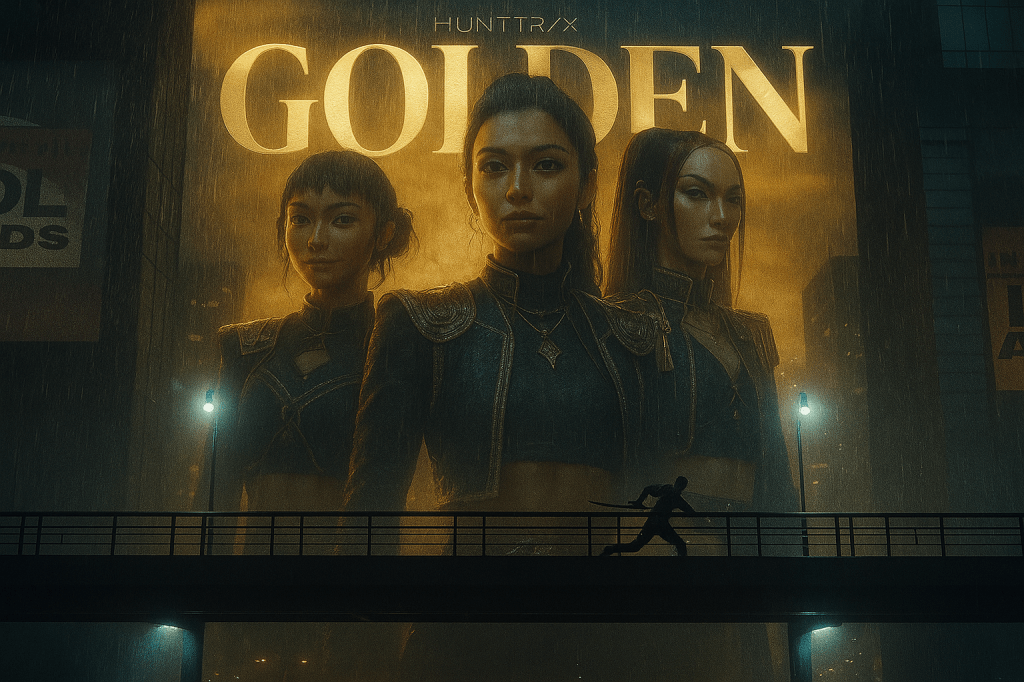
    In the film, “How It’s Done” kicks things off with HUNTR/X fighting demons aboard their private jet, the beat pulsing like a pulse through the jet’s corridor. Then comes “Golden”, where Rumi, Mira, and Zoey pour out their longing, hoping to seal the mystic Honmoon and banish the demon beneath.

    Opposing them, Saja Boys rise in “Your Idol” dark and hypnotic, daring the fans to surrender to their power. Somewhere between stages and shadows, there’s “Soda Pop”, flashy, dangerous, with the final strike: “What It Sounds Like”, when the band’s battle becomes something more intimate, more exposed.

    And while the story celebrates girl power and unity through music, it also mirrors a cultural shift and the rise of digital creation through transformation of pop culture itself.

    Let’s talk about that!


    The Digital Evolution of Fandom

    K-pop has always been more than music. It’s an ecosystem of storytelling, where visuals, choreography, and personality merge into one immersive world.

    Fans don’t just listen, they live the experience through live-streams, fandom apps, and virtual meetups. It’s a model built on connection, consistency, and creativity, that is only getting more digital.

    This new generation of fans doesn’t need physical presence to feel emotionally close to their idols. In fact, many are already falling in love with artists who aren’t even real.


    Animated Idols: The Perfect Pop Product

    Production companies have discovered something irresistible: animated artists never age, tire, or break character. They can perform on any stage, anywhere, forever.

    They don’t cancel shows, get caught in scandals, or demand creative control. Their design, sound, as well as personality can be optimized for maximum engagement: a perfect performer built by data.

    Virtual idols like K/DA, AESPA, and Apoki already blur the line between digital and real. And now, with films like K-pop Demon Hunters, the entertainment industry is realizing that animated artistry is not just creative, it’s also very profitable.


    A Threat to Human Pop Culture?

    But perfection comes at a price.

    As machines and AI learn to craft emotion-driven content, human creativity faces an uncomfortable rival. Algorithms can analyze billions of data points to compose “the perfect hit”, something no human can compete with.

    So, what is the danger? We start preferring the precision of machine-made art to the messy authenticity of human expression.

    Humans create from experience : a heartbreak, joy or lively chaos. Machines create from data based on patterns, probabilities, optimization. One feels, the other performs.

    And when performance becomes more valued than feeling, pop culture risks losing its soul.


    The Unseen Battle: Emotion vs. Efficiency

    We’re witnessing an invisible cultural duel: emotion vs efficiency or soul vs simulation.

    Animated artists, AI singers, and virtual idols can captivate millions, but they’ll never truly feel what they express. Humans, for all our flaws, are still the only ones capable of turning pain into poetry.

    So maybe the answer isn’t resistance, but balance.


    A Harmony Between Humans and Machines

    There’s a way to coexist.
    As long as humans remain the voices behind the animated faces, art keeps its heartbeat. The tech can amplify, not replace.

    Imagine a world where real singers lend emotion to virtual performers, and storytelling becomes a collaboration between creativity and code. That’s not dystopian, it’s evolution.

    In that sense, K-pop Demon Hunters becomes a metaphor: human spirit powering digital magic.


    The Moral Behind the Myth

    Beneath all the flash and choreography, the film’s message is clear: unity through music, strength through sisterhood and, of cause, power through creativity.

    It’s a reminder that technology may shape our art, but humanity gives it meaning. 🙂

    As long as we keep singing for the animated artists,
    the world will keep thriving.

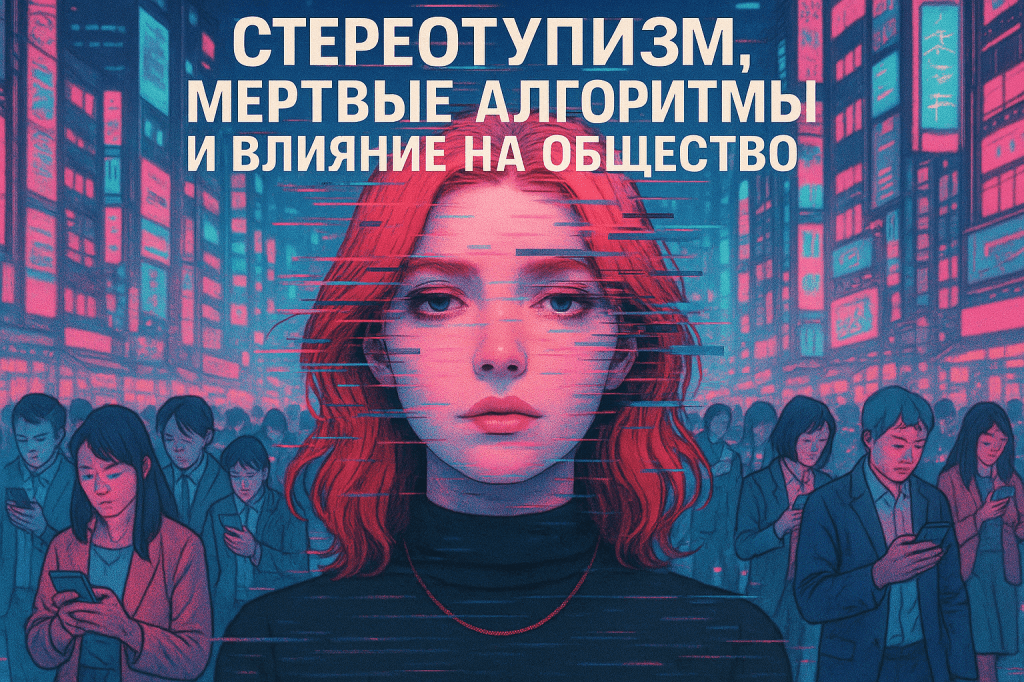
  • Как алгоритмы влияют на выбор: размышления Чарльза Броскоски

    Как алгоритмы влияют на выбор: размышления Чарльза Броскоски

    Чарльз Броскоски — художник, писатель и сооснователь платформы Are.na, исследующий внимание, интуицию и цифровую культуру.

    Прочитав эссе «Here for the Wrong Reasons» я сделала несколько выводов, о том, как не потерять связь с собой в мире, где интересы всё чаще диктуются модой, алгоритмами и ожиданиями сообществ. Броскоского волнует не то, что мы выбираем, а как мы выбираем, и почему так легко перестать следовать внутреннему зову.

    Данная статья посвещена тому, как не потерять «себя» в этом мире, полном искушений и искуственной вседозволенности.

    Узловые точки и детская навигация: как случайности формируют нашу жизнь

    В детстве Броскоски жил рядом с книжным магазином. Он часто заходил туда просто так, без цели и без списка. Он просто бродил между полок, подолгу зависая на том, что казалось интересным. Много лет спустя он осознал, что именно такие «бессмысленные» визиты сформировали то, кем он стал.

    Он называет эти моменты узловыми точками — случайные книги, сайты, встречи, которые меняют маршрут. Эти точки, считает он, определяют нашу жизнь не тем, что мы выбираем, а тем, как мы выбираем. Кто-то может пройти мимо книги, а кто-то откроет её и останется в ней на годы. Этот механизм называется внутренним радаром.

    Сила выбора и тропа желания: как не потерять себя в мире ожиданий

    Броскоски любит сравнение с тропами желания — неофициальными дорожками, которые люди протаптывают на лужайках, игнорируя навязанные маршруты. Эти тропы создаются потому, что так удобнее, естественнее, ближе. Так же работает и человеческий интерес. Он не следует указателям, он следует зову.

    Этот радар индивидуален. Один человек в книжном сразу идёт к манге, другой — к теологии. И дело не в осознанном решении, а в гравитации внимания. Люди чувствуют: это моё. Этот навигатор тонкий, почти неуловимый, но именно он и делает выбор подлинным.

    Почему я чувствую, что живу чужой жизнью: причины и пути к себе

    Броскоски всё чаще сталкивается с другим типом интереса, стратегическим. Он называет это состоянием «быть здесь по неправильным причинам». Это когда человек интересуется чем-то не из внутреннего побуждения, а ради репутации, лайков, входа в элитный клуб.

    Он наблюдает, как даже книги и искусство становятся элементом самопрезентации. Кто-то читает Бодрийяра, чтобы казаться умным. Кто-то занимается керамикой, чтобы вести эстетику в Instagram. Это разрушает саму природу интереса, когда он становится инструментом, а не ответом на зов.

    Алгоритмы — препятствие для творчества и неожиданных открытий

    Ох уж эти современные алгоритмы. Они всё время подсовывают похожее: ты любил это, вот тебе ещё. Алгоритмы строят воронки, а не тропы. И хотя они кажутся персонализированными, на деле они лишают человека случайности, той самой, которая и даёт возможность узловой точки.

    Броскоски убеждён, что алгоритм не может предсказать, какая книга, фильм или разговор изменит тебя. Потому что настоящие точки резонанса не шаблонны. Они выбиваются из привычного. Они случайны, как флирт на улице, как ссылка в старом форуме, как кассета у друга.

    Сообщества, где можно быть собой: Развитие внутреннего радара

    Он вспоминает старые P2P-сети вроде Soulseek. Там не было рекомендаций, лайков, статистики. Люди просто делились тем, что им нравилось. И эта структура, без давления и без игры в социальную капитализацию, создавала безопасную среду для подлинного интереса.

    Именно такие сообщества, как Are.na, Soulseek, старые блоги, дают ему надежду. Потому что они не требуют соответствовать. В них можно быть, а не казаться. Можно искать, ошибаться, находить. Там нет правильных причин. Есть только честные.

    Делать не ради выгоды, а по зову сердца: Путь к настоящему интересу

    Важно уточнение. Чарльз не призывает к эгоизму. Он не говорит: делай только то, что хочется. Он говорит, выбирай то, что волнует тебя по-настоящему. Не ради признания. Не ради карьеры. А ради идей, ради мира, ради того, что не даёт тебе покоя. По любви, а не по стратегии.

    В мире, где выбор всё чаще становится представлением, а интерес — продуктом, Чарльз Броскоски напоминает: настоящая жизнь начинается с радаров, а не с резюме.

    Узловые точки не планируются. Они случаются. Но чтобы их встретить, нужно идти тропой желания и не бояться оказаться здесь по правильным причинам, даже если никто этого не заметит.

  • The Science Behind Saunas and Mental Health Benefits

    The Science Behind Saunas and Mental Health Benefits

    When you think of saunas, you probably imagine relaxation, sweating it out, and maybe a trip to the spa. But recent research is showing that saunas might do more than just help you unwind—they could actually help people struggling with depression.

    Sounds too simple? Let’s take a look at what the science says.

    Real Studies, Real Results

    A study from the University of California, San Francisco looked at how combining infrared sauna sessions with therapy could help people diagnosed with major depressive disorder (MDD). Participants took part in eight weekly sauna sessions while also receiving talk therapy.

    The outcome? Most of the participants who completed the program no longer showed signs of clinical depression by the end of the treatment.

    This builds on earlier studies, including one from 2016, which found that just one session of a full-body heat treatment significantly reduced symptoms of depression for up to six weeks afterward.

    The evidence is still growing, but it’s clear there’s something promising here.

    How Does Heat Help with Depression?

    Here’s what scientists think might be going on:

    • Body temperature regulation: People with depression often have elevated and less stable body temperatures. Sauna therapy may help reset and regulate this balance.
    • Reduced inflammation: Chronic inflammation has been closely linked to depression. Regular sauna use may help lower inflammation levels throughout the body.
    • Increased endorphins: Just like exercise, the heat from saunas can trigger the release of natural feel-good chemicals in the brain, improving mood and mental clarity.

    More Benefits Beyond Mental Health

    While the focus here is on depression, sauna therapy has also been linked to a range of other health benefits, including:

    • Better sleep
    • Improved cardiovascular health
    • Lower stress levels
    • Enhanced circulation and detoxification

    Together, these effects can support not only physical well-being but also a more balanced emotional state.

    Is Sauna Therapy Right for Everyone?

    While the early findings are encouraging, it’s important to remember that sauna therapy isn’t for everyone. People with heart conditions, low blood pressure, or other health concerns should consult a doctor before using saunas regularly.

    Also, the research so far has involved small sample sizes. Larger, more diverse studies are still needed to confirm how effective this treatment is for different types and severities of depression.

    That said, sauna therapy appears to be safe, accessible, and potentially very beneficial—especially as a complement to other treatments like therapy and medication.

    Authors’ Thoughts

    Sauna therapy isn’t a miracle cure, but it could be a powerful and natural tool in the fight against depression. The science is pointing toward real, measurable benefits from simply sitting in a warm, calming space and letting your body respond to the heat.

    So if you’re looking for new ways to support your mental health, stepping into a sauna might be more than just relaxing—it could be therapeutic.