
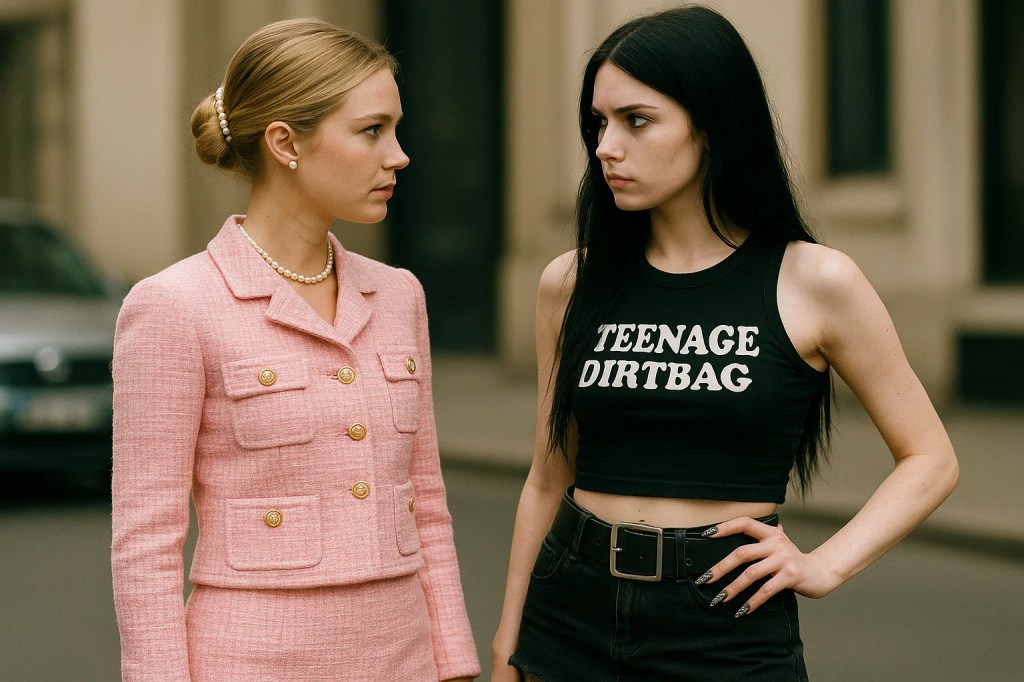
In today’s hyper-accelerated fashion world, trends come and go at breakneck speed. What used to take months to design, produce, and release can now be duplicated and shipped to consumers in a matter of days. This is the era of fast fashion—a juggernaut that has changed not just how we shop, but how we value fashion itself.
But beneath the glossy appeal of cheap prices and constant newness lies a complex ripple effect—especially on high-end brands and the deeper culture of fashion. As fast fashion booms, luxury labels and traditional fashion institutions are being forced to adapt, pivot, or push back.
Here’s how.
The Copycat Economy: When High Fashion Gets Knocked Off in Weeks
Once, luxury fashion houses had a degree of exclusivity that fast fashion couldn’t touch. Collections were guarded, meticulously crafted, and released on a slow, seasonal schedule. But now? A runway look might be replicated by a fast fashion brand and hit stores or websites within two weeks.
The lines between original design and imitation have blurred. This has sparked lawsuits, creative frustration, and an ongoing debate: is fashion still about innovation—or just speed and visibility?
For high-end designers who invest months of work into craftsmanship and storytelling, it’s disheartening to see their work diluted and sold for a fraction of the price. And for consumers, it raises a question of value: are we buying style, or just buying fast?
Luxury Under Pressure: Eroding Exclusivity and the Rise of “Accessible” Glamour
Luxury has always sold aspiration. But in the age of social media, exclusivity is harder to maintain. Fast fashion mimics the aesthetics of high-end brands so convincingly that the lines between “real” and “inspired” often vanish on a feed.
This erosion of exclusivity pressures high-end brands to respond. Some are speeding up their production cycles. Others are experimenting with limited drops and collaborations to stay relevant in a hype-driven market.
But the cost is cultural. When every brand feels the pressure to stay viral and visible, long-term design, heritage, and artistic risk often take a backseat to algorithms and influence.
The Rise of Hype Culture
Fuelled by the immediacy of social media, the proliferation of influencer marketing, and the voracious appetite for the «new,» hype culture thrives on scarcity and spectacle. Drops, collaborations, and viral campaigns have replaced the slow burn of seasonal collections. Streetwear labels like Supreme and Palace helped pioneer the drop model, which high fashion brands such as Gucci, Louis Vuitton, and Balenciaga have since co-opted to maintain cultural currency.
In this new landscape, attention is the ultimate currency. Collections are designed for Instagram moments, not museum exhibitions. Trends now come and go in weeks, not years, and consumers chase the next hit of dopamine with every limited release.
Heritage: Lost in the Noise?
Heritage brands like Chanel, Hermès, and Dior built their reputations on craftsmanship, storytelling, and legacy. Their identities were once safeguarded by creative directors who acted as stewards of tradition. But in the modern era, many of these houses have pivoted to cater to younger audiences hungry for novelty, often sacrificing depth for mass appeal.
This isn’t merely about change—fashion is, by nature, ever-evolving. It’s about speed. What used to be an evolution of ideas has become an acceleration. Heritage, which requires context and contemplation, struggles to compete with the immediacy of meme fashion and TikTok trends.
The Rebellion: Sustainability, Slow Fashion, and a Cultural Shift
Not everyone is on board with the fast fashion frenzy. A growing segment of fashion-conscious consumers is rejecting disposability in favor of sustainability and ethical production. They want to know who made their clothes, what they’re made of, and how long they’ll last.
This has given rise to a counterculture movement within modern fashion: slow fashion, upcycling, capsule wardrobes, and a renewed appreciation for vintage and artisan-made pieces.
Interestingly, high-end fashion is finding a new niche here. Some luxury brands are leaning into their heritage and craftsmanship, repositioning themselves as the antidote to fast fashion’s waste and repetition.
A Call for Reflection
As fashion hurtles forward, it’s time for the industry to pause and reflect. What does it want to be? A mirror of fleeting internet culture, or a maker of enduring beauty and meaning?
Consumers, too, hold power. By valuing quality over quantity, substance over spectacle, they can influence the direction of fashion. The future doesn’t have to be a choice between hype and heritage—it can be a harmony of both.
 Quick-reads.io